In the landscape of Original Pilipino Music, few names carry the warmth, nostalgia, and emotional resonance of Jose Mari Chan. For generations of Filipinos, his songs have become part of life’s most meaningful moments from quiet reflections to festive holiday celebrations. His music transcends trends and eras, reminding listeners that sincerity and melody can create songs that live on for decades.
Often called the “Father of Philippine Christmas Music,” Jose Mari Chan is far more than a seasonal icon. He is a songwriter whose timeless compositions helped shape the sound of modern Filipino music.
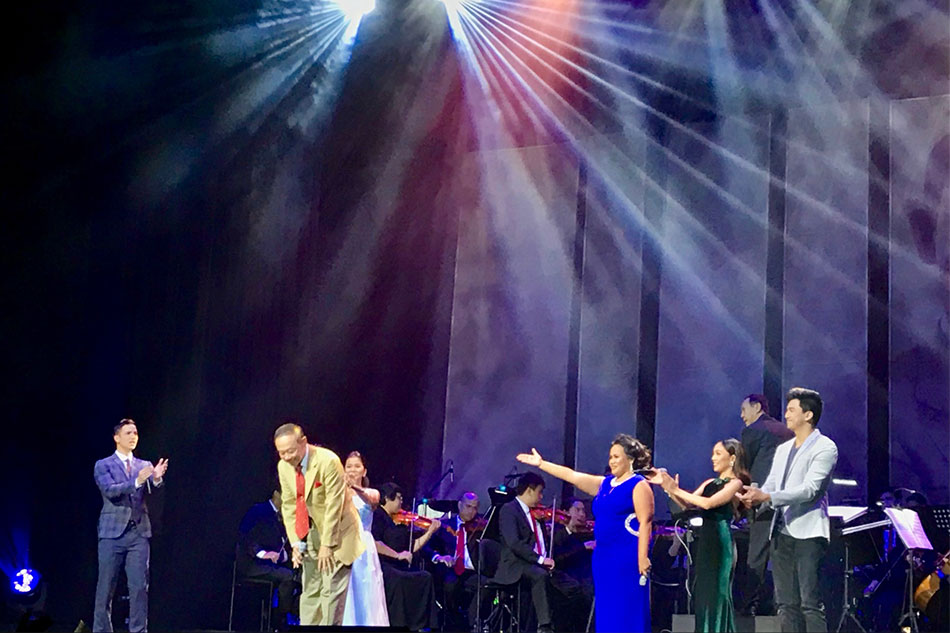
Jose Mari Chan performs timeless classics in heartfelt tribute concert.

Jose Mari Chan proudly displays awards honoring his timeless OPM legacy.
Early Life and Musical Roots
Jose Mari Chan was born in 1945 in Manila into a family with a strong appreciation for music and culture. Growing up in a household where creativity was encouraged, he developed a deep love for melodies and songwriting at a young age.
While he would later pursue a successful career in business, music remained an essential part of his identity. Chan attended Ateneo de Manila University, where he began performing and writing songs that would eventually become staples of Filipino music.
During the 1960s and 1970s, he started to establish himself in the local music scene. His gentle voice, heartfelt lyrics, and melodic sensibility distinguished him from many of his contemporaries.
Rather than relying on flashy performances, Chan focused on emotional storytelling. This approach would later define the lasting appeal of his music.
A Songwriter First
One of the most important aspects of Jose Mari Chan’s career is that he is first and foremost a songwriter. His ability to craft melodies that feel both personal and universal has allowed his songs to endure long after their initial release.
Among his earliest hits was Beautiful Girl, a song that gained international attention and showcased his ability to blend Filipino sentiment with global pop sensibilities. The track’s smooth arrangement and romantic tone resonated with listeners across different countries.
Chan continued writing songs that explored themes of love, memory, longing, and reflection. These emotional themes would become the cornerstone of his musical identity.
The Birth of a Christmas Classic
Although Jose Mari Chan had already built a respected career as a musician, his greatest cultural impact came with the release of his Christmas album in 1990.
The album Christmas in Our Hearts quickly became one of the most beloved holiday releases in Philippine music history. Its title track remains one of the most recognizable Christmas songs in the country.
What made the song so powerful was its simplicity. Rather than focusing on grand orchestration or spectacle, the song emphasized warmth, kindness, and the spirit of togetherness.
The lyrics remind listeners that Christmas is not merely a date on the calendar but a feeling carried in the heart. This message resonated deeply with Filipino audiences and continues to do so decades later.
Songs That Became Filipino Traditions
Over time, Jose Mari Chan’s music became intertwined with Filipino cultural traditions. His Christmas songs in particular are played every year as soon as the holiday season approaches.
Tracks like Christmas in Our Hearts, A Perfect Christmas, and Mary’s Boy Child have become part of the Filipino soundscape during the festive months.
For many families, the start of the “ber months” signals the return of Jose Mari Chan’s music. His voice has become synonymous with the joy, nostalgia, and warmth of the season.
Yet beyond the holidays, Chan’s romantic ballads and reflective songs continue to resonate with listeners.
A Unique Balance of Music and Business
What makes Jose Mari Chan’s story even more remarkable is that he balanced his musical career with success in business. As an executive in his family’s sugar industry company, he demonstrated that artistic passion and professional discipline could coexist.
Despite the demands of business leadership, he continued writing and recording music that connected with audiences. This dual career path helped shape his perspective as a songwriter.
His music often reflects maturity, gratitude, and reflection qualities that likely emerged from his life experiences beyond the recording studio.
The Enduring Power of His Music
One of the reasons Jose Mari Chan’s songs remain timeless is their emotional sincerity. His lyrics rarely rely on complicated metaphors or abstract ideas. Instead, they focus on universal feelings that listeners can immediately understand.
Love, gratitude, hope, and kindness are recurring themes in his work. These values resonate across generations, allowing younger audiences to discover his music while older listeners revisit it with nostalgia.
In an era where music trends change rapidly, Chan’s songs stand as reminders that heartfelt songwriting never loses its relevance.
A Cultural Icon for Generations
Today, Jose Mari Chan is widely regarded as one of the most influential figures in OPM history. His contributions to Filipino music extend beyond commercial success.
He represents a kind of musical sincerity that many artists aspire to emulate. His songs emphasize emotion over spectacle, melody over trend, and authenticity over novelty.
For Filipinos both at home and abroad, his music carries a sense of familiarity and comfort. It connects people not only to memories but also to shared cultural identity.
The Legacy of Timeless Songs
As new artists continue to redefine Filipino music, the legacy of Jose Mari Chan remains firmly rooted in the foundations of OPM. His songs serve as reminders that great music is not defined by popularity alone but by its ability to endure.
Decades after their release, his melodies continue to echo in homes, radio stations, and celebrations across the Philippines.
Jose Mari Chan’s story is not simply about a successful musician. It is about how one artist’s heartfelt songs became woven into the emotional fabric of a nation.
And as long as Filipinos continue to sing along to his music, his timeless songs will remain part of the soundtrack of Filipino life.